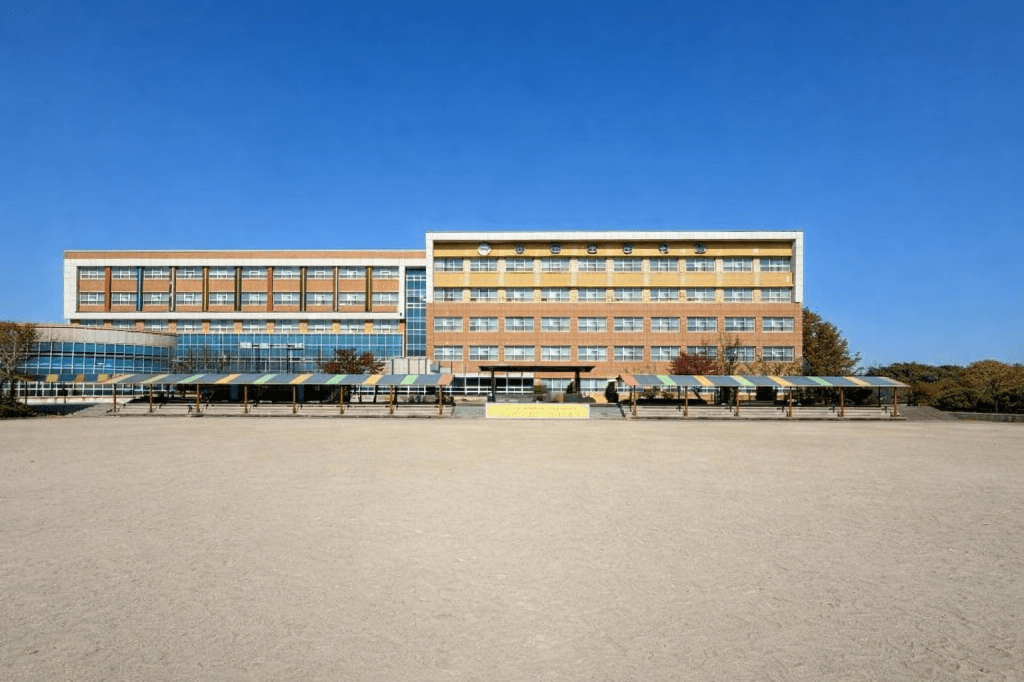
If you are moving to South Korea or raising children here, you may be wondering:
When does the school year start in Korea?
Unlike the United States, Canada, or many European countries that begin school in late August or September, the Korean school year starts in March. Here is a complete guide to the 2026 school year in Korea, including the calendar, education system, and what parents should prepare.
When Does the School Year Start in Korea in 2026?
The Korean academic year begins in early March.
In 2026, March 1 (Independence Movement Day) falls on a Sunday. A substitute public holiday will be observed on Monday, March 2. As a result, most schools will officially begin classes on March 3, 2026.
Korea follows a two-semester system, and one academic year runs from March to the following February.
Korea School Calendar 2026 (General Structure)
While exact dates may vary slightly by school district, the typical schedule for public elementary, middle, and high schools is:
First Semester
Early March – Mid July
Summer Break
Mid July – Late August
Second Semester
Late August – February
Winter Break
Late December – Early February
Graduation ceremonies are usually held in February, just before the new academic year begins.
Why Does Korea Start School in March Instead of September?
Many international parents find it unusual that Korea does not follow the September academic calendar common in Western countries.
There are several reasons:
- March marks the beginning of Korea’s fiscal and administrative year.
- Government institutions and public systems operate on a March-to-February cycle.
- In Korean culture, the concept of “new beginnings” is strongly tied to the New Year. Age increases collectively at the start of a new year, and socially, March represents a fresh start. The academic year follows this same philosophy of renewal.
Historically, Korea was also influenced by Japan’s education system, which similarly begins in April (and influenced regional structures in the past).
Because of this system, students finish one grade in February and immediately advance to the next grade in March.
A Key Feature of Korean Education: National Curriculum
One distinctive characteristic of the Korean education system is its standardized national curriculum.
Schools across the country follow guidelines set by the Ministry of Education. Each grade level is required to teach specific subjects and learning objectives.
This approach helps maintain a relatively balanced level of education nationwide. Regardless of region, students in the same grade generally study similar material at a comparable pace.
For many international families, this system provides predictability and academic consistency.
What Parents Should Prepare Before March
If your child is entering a Korean school, here are some practical things to know.
1. Indoor Shoes Culture
Most Korean schools require students to change into indoor shoes upon entering the building. This is part of the school hygiene system.
2. School Supplies
Schools provide a supply list before the semester begins. Some materials may be purchased collectively through the school.
3. School Lunch System
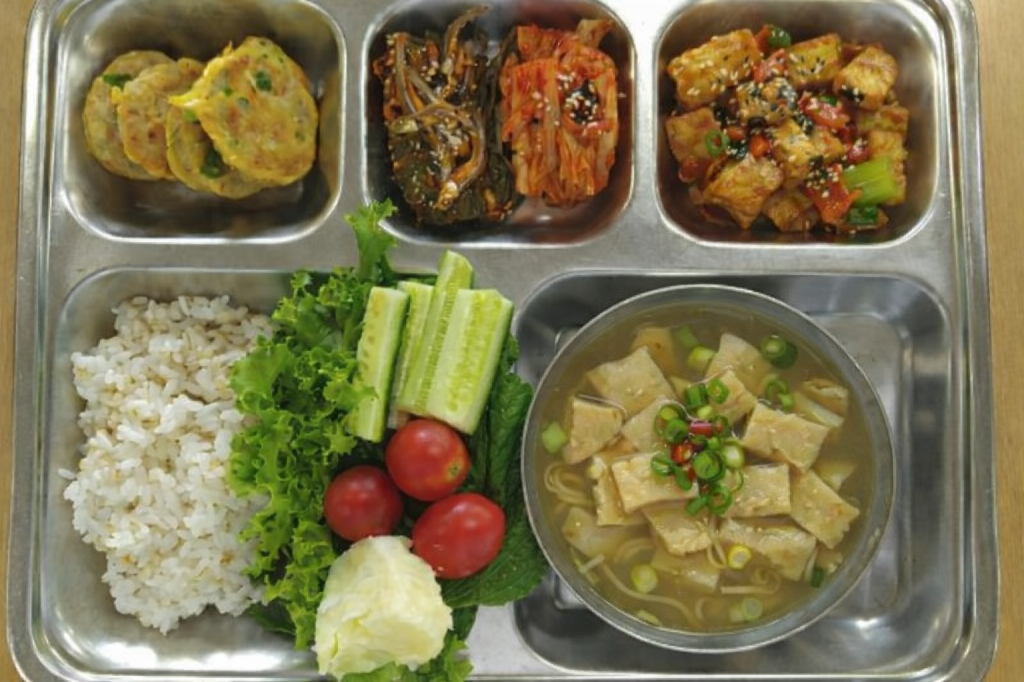
Korea’s public school lunch system is known for its quality.
Most schools employ a licensed nutritionist who designs balanced meals according to students’ age and developmental needs. Meals are structured to provide appropriate calories and nutrients.
In public schools, lunches are funded by national and local government support. In most cases, parents do not pay additional lunch fees.
4. After-School Programs and Hagwon Culture
Korean schools offer various after-school programs at relatively affordable fees. These programs allow students to experience activities that are often taught in private academies.
Options may include badminton, violin, cooking classes, robotics, basketball, and more. Programs cover both arts and STEM subjects.
However, each program has limited capacity. When demand exceeds available spots, students are selected by lottery.
Outside of school, many students also attend private academies known as hagwon, especially as they grow older.
Is School in Korea Stressful?
Korea is internationally recognized for its competitive education culture, particularly in middle and high school.
Academic pressure tends to increase with age, especially due to university entrance exams. However, elementary school environments are generally structured and supportive.
Families may choose between:
- Public Korean schools
- International schools
- Alternative education programs
Each option offers a different academic experience.
Final Thoughts
The Korean school year starting in March may feel unfamiliar to families coming from Western education systems. However, once you understand the calendar structure and educational framework, the transition becomes much easier.
If you are preparing for the 2026 school year in Korea, remember that most schools will begin classes on March 3, 2026.
Planning ahead for the March start will help your family adjust smoothly.

 G morning B night
댓글 남기기